


Key Takeaways:
-
Burst pressure is the amount of internal pressure a garden hose can withstand before it is at risk of rupturing or failing.
-
Burst pressure and working pressure are not the same: working pressure refers to normal operating conditions, while burst pressure represents a much higher limit.
-
Choosing a well-constructed hose and using it within recommended pressure limits can help prevent leaks, damage, and premature hose failure.
When shopping for a garden hose, you may see specifications mentioning PSI, working pressure, or burst pressure. Burst pressure indicates how much internal pressure a hose can withstand before its construction may fail.
Understanding this rating can help you compare hose durability and, more importantly, use your hose safely within its intended limits.
How Are Burst Pressure and Working Pressure Different?
Burst pressure shouldn't be confused with working pressure.
Working pressure describes the pressure a hose is designed to handle during normal use. Burst pressure, on the other hand, represents the pressure level at which the hose's ability to remain intact is being tested. In other words, a high burst-pressure rating does not mean you should routinely operate the hose at that pressure.
Understanding the difference between working pressure and burst strength is important because the pressure coming from a home’s water supply is separate from a hose’s maximum burst-strength specification.
Why Does Garden Hose Burst Pressure Matter?
A hose experiences internal pressure every time you turn on the spigot. Its inner tube, reinforcement, outer jacket, and connections work together to contain that pressure.
Excessive pressure can place additional stress on these components and eventually contribute to leaks or ruptures. In fact, water pressure is one of several common causes of garden hose bursts, along with material wear and environmental damage.
Construction matters as well. Reinforced materials and multiple layers can help a hose withstand the repeated stress created by pressurization during normal use.
Does Higher Burst Pressure Mean a Better Hose?
Not necessarily. Burst pressure is one durability specification, but it shouldn't be the only factor you consider when choosing a hose.
Flexibility, weight, kink resistance, connection quality, outer-jacket durability, and appropriate hose diameter all affect everyday performance. Even a hose with an impressive burst-pressure rating can be damaged by improper use, abrasion, freezing water, or poor storage.
It's also important to remember that hose diameter affects water flow, while household water pressure comes from your water supply. Understanding how hose diameter, flow, pressure, and length work together can help you choose the right hose size for your watering needs.
How Can You Help Prevent a Garden Hose From Bursting?
Always follow the manufacturer's recommended pressure and usage guidelines. Turn off the spigot when you're finished watering, release remaining pressure, and drain the hose before storage.
Temperature matters, too. Water left inside a hose can freeze and expand, placing significant pressure on the hose walls. Properly winterizing an expandable hose can help prevent this type of damage.
Regularly inspect your hose for leaks, bulging, damaged fittings, or other weak spots that could indicate wear.
How To Choose a Durable Expandable Hose
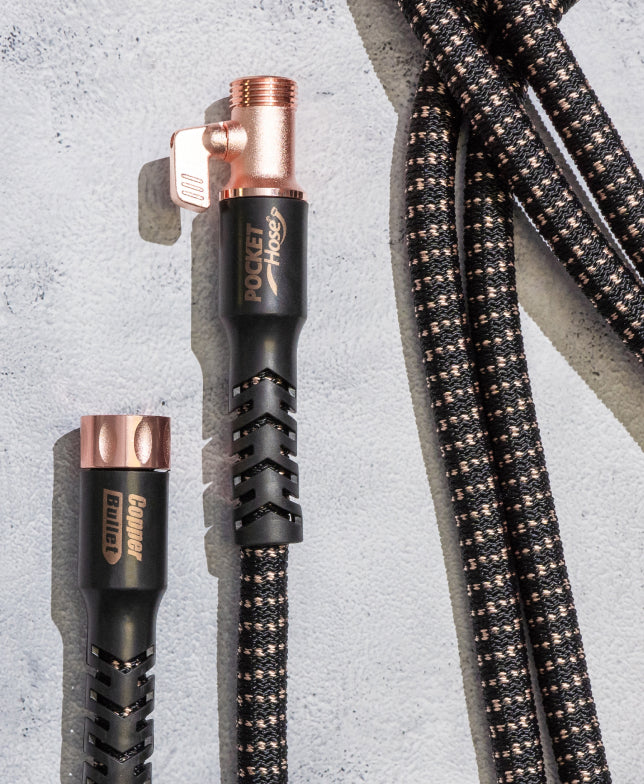
If durability is a priority, look beyond a single pressure rating and consider the hose's overall construction. The Pocket Hose Ballistic combines an expandable design with reinforced construction intended to support reliable everyday watering.
Features such as a durable outer jacket and a reinforced inner construction help protect the components that contain water pressure while maintaining the lightweight, flexible benefits of an expandable hose.
The Bottom Line
Understanding what burst pressure means for garden hoses makes pressure specifications much easier to evaluate. Burst pressure refers to a hose's maximum pressure tolerance, while working pressure relates to its normal operating conditions.
A higher burst-pressure rating can indicate stronger construction, but it isn't a reason to exceed the recommended operating pressure. Choosing a durable hose, following its pressure guidelines, releasing pressure after use, and storing it properly are all important for reliable performance and a longer hose life.
FAQs
What is a good burst pressure for a garden hose?
There's no single "good" number, because burst pressure ratings vary by hose type and construction. What really matters is just that the hose's working pressure comfortably exceeds your home's water pressure, and that the burst pressure is significantly higher than working pressure.
What PSI is too high for a garden hose?
Most residential water supplies run between 40-80 PSI, and most garden hoses are built to handle that range comfortably under normal working pressure. Pressure spikes above a hose's rated working pressure (from a faulty regulator, a kinked hose suddenly released, or an overly powerful pump attachment) are what put a hose at risk over time.
Can a garden hose burst from too much water pressure?
Yes. Sustained or spiked pressure beyond a hose's working pressure rating stresses the inner tube, reinforcement layer, and fittings, which can eventually lead to leaks or rupture. This is why water pressure is considered one of the more common contributors to hose failure alongside wear and environmental damage.
Does a higher burst pressure rating mean the hose is more durable overall?
Not necessarily. Burst pressure is just one spec. Kink resistance, outer-jacket quality, connection strength, and how the hose is stored and used day-to-day all affect real-world durability just as much as its pressure rating.
Sources:
Sample of General System Pressure Requirements for Common Harvest | Minnesota Stormwater Manual
The Selection and Inspection of Hoses | Purdue University
Safety Guide for Selecting and Using Hose and Fittings | Parker

Dejar un comentario
Este sitio está protegido por hCaptcha y se aplican la Política de privacidad de hCaptcha y los Términos del servicio.