


Key Takeaways:
-
A kink-resistant garden hose is designed to reduce sharp bends and twists that can restrict water flow and interrupt watering.
-
Flexible materials, reinforced construction, and swivel connections can all help a hose move more freely without folding over on itself.
-
No hose is completely immune to kinking, so proper hose length, handling, and storage still matter.
A kink in your garden hose can bring water flow to an abrupt stop, forcing you to put down the nozzle, find the problem, and straighten the hose before continuing. If this happens regularly, a kink-free garden hose or kink-resistant hose design can make everyday watering much easier.
So, what actually makes a hose resist kinking, and does "kink-free" mean your hose can never kink? Here's what to know.
What Does Kink-Resistant Mean?
A kink occurs when a hose bends sharply enough to pinch or collapse, restricting the water moving through it. Kink-resistant hoses are constructed to reduce these sharp folds while remaining flexible enough to move around the yard.
"Kink-resistant" doesn't necessarily mean a hose can never kink. Instead, it means its materials and design help it resist collapsing during normal use.
What Makes a Garden Hose Resist Kinks?
Several features can affect how easily a hose twists or folds.
-
Flexible construction: A hose that bends smoothly is easier to maneuver around corners, landscaping, and outdoor furniture without developing sharp folds.
-
Reinforcement: Durable inner and outer layers can help a hose maintain its structure as it bends, reducing the likelihood of flow-restricting collapses.
-
Swivel connections: Kinks frequently develop near the spigot as twisting builds up along the hose. A rotating connection lets the hose move with you instead of forcing that tension into a tight bend.
Expandable designs can also help reduce some of the stiffness and coil memory associated with traditional hoses, making them easier to reposition during everyday watering.
Why Does Your Garden Hose Keep Kinking?
Even a kink-resistant hose can become difficult to manage if it's too long for the space or stored improperly. Excess hose creates additional loops that can overlap and twist as you move.
Tightly coiling a hose for long periods may also encourage it to hold that shape. Choosing an appropriate length, storing the hose properly, and avoiding sharp bends can all help minimize kinks.
What Should You Look for in a Kink-Free Garden Hose?
When shopping for a kink-free garden hose, consider the overall design rather than relying on a single feature.
Look for:
-
Flexible, lightweight construction
-
Reinforced inner and outer layers
-
Swivel or pivoting connections
-
The appropriate length for your yard
-
Compact, easy storage
These features work together to make a hose easier to move while maintaining steady water flow.
Consider Pocket Hose Ballistic
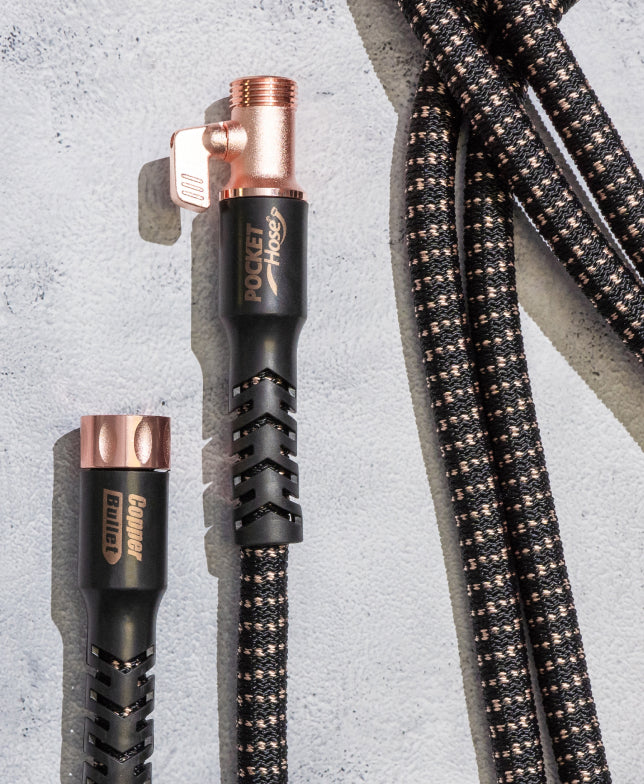
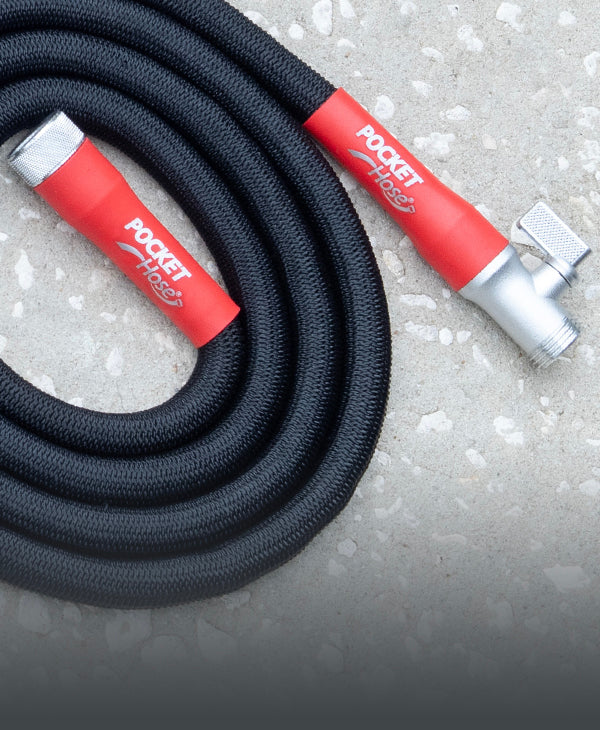
As an expandable option, Pocket Hose Ballistic is designed with several features specifically to reduce kinks and tangles. Its 360° Pocket Pivot rotates at the spigot to help prevent snags, twists, and creases at the connection point, while its flexible, expandable construction is designed for easier movement around the yard.
It also combines a triple-layer latex core with a reinforced outer sleeve, providing structure while maintaining the flexibility needed for everyday watering.
The Bottom Line
A kink-resistant garden hose is designed to bend and move without constantly collapsing into flow-blocking folds. Flexible construction, reinforcement, swivel connections, proper length, and good storage habits can all contribute to smoother handling.
While "kink-free" shouldn't be interpreted as a guarantee that improper handling can never create a kink, choosing a hose specifically designed to resist twisting can mean fewer interruptions and a much easier watering routine.
FAQs
What is a kink-free garden hose?
A kink-free garden hose is designed with flexible materials, reinforced layers, and features like swivel connections that help it resist the sharp folds that block water flow. No hose is entirely immune to kinking, but these designs make it far less likely during normal use.
Are expandable hoses more kink-resistant than traditional hoses?
Expandable hoses do often have less coil memory and stiffness than traditional rubber or vinyl hoses, which can make them easier to reposition without folding sharply. A swivel connection at the spigot can help add even more kink resistance by relieving twisting before it reaches the hose body.
Does hose length affect how often it kinks?
Yes. A hose that's longer than you need ends up creating extra slack, which can then loop, overlap, and twist as you’re dragging it around the yard. Making sure to choose a length that matches your space helps reduce the excess material.
How do you fix a kinked garden hose?
Turn off the water, locate the fold, and straighten it out by hand instead of pulling forcefully on either end. Frequent kinking in the same spot can be a sign of a weakening area, so it's worth checking for cracks or thinning once the hose is straightened.
Sources:
Fall Gardening | A Collection of Information and Resources | CAES Field Report

Dejar un comentario
Este sitio está protegido por hCaptcha y se aplican la Política de privacidad de hCaptcha y los Términos del servicio.