


Key Takeaways:
-
A quality expandable hose can provide years of regular use, but its actual lifespan depends on construction, water pressure, care, and storage.
-
Leaving a hose pressurized, exposing it to extreme weather, and dragging it over rough surfaces can cause premature wear.
-
Draining, releasing pressure, and storing your hose properly after use can help protect its materials and extend its useful life.
If you use your garden hose several times a week, you may wonder how long you can realistically expect it to last. Expandable hoses are lightweight and convenient, but their flexible construction means proper use and care play an important role in longevity.
So, how long does an expandable hose last with regular use? A quality expandable hose can provide years of reliable service, especially with proper hose storage.
What Affects an Expandable Hose's Lifespan?
Expandable hoses repeatedly stretch and contract as water moves through them. Quality inner cores, reinforced outer jackets, and durable fittings can help withstand these repeated cycles. However, excessive water pressure can place additional stress on the inner tube and connections.
Abrasion matters, too. Frequently dragging a hose across concrete, gravel, or sharp landscaping can gradually damage its protective outer layer and leave the inner core more vulnerable.
Does Frequent Use Make an Expandable Hose Wear Out Faster?
Like most outdoor equipment, more frequent use creates more wear over time. Someone who waters a garden every day puts their hose through more expansion cycles and movement than someone who uses it once a week. That doesn't mean a regularly used hose will fail quickly, though. Choosing durable construction and treating your hose properly between uses can make a significant difference. Watch for early warning signs such as persistent hose kinks and leaks, worn fittings, weak spots, bulging, or uneven expansion.
How Can You Make an Expandable Hose Last Longer?
A few simple habits can help protect your hose:
-
Turn off the spigot after each use.
-
Open the nozzle to release remaining pressure.
-
Allow the hose to drain and contract fully.
-
Avoid dragging it across rough or sharp surfaces.
-
Store your hose out of prolonged sunlight and extreme temperatures.
-
Drain and store your hose appropriately before freezing weather.
Leaving an expandable hose pressurized for extended periods can unnecessarily stress its flexible inner core. Releasing pressure allows the hose to return to its contracted state between uses.
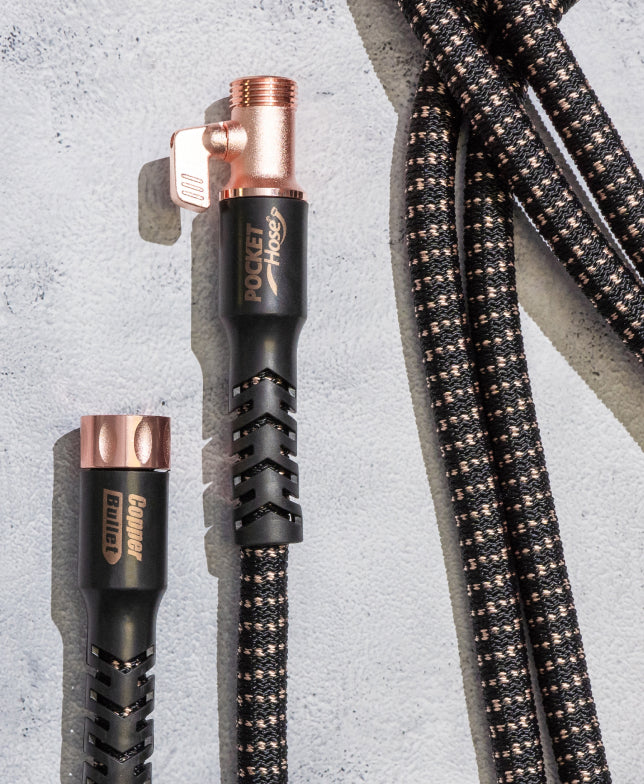
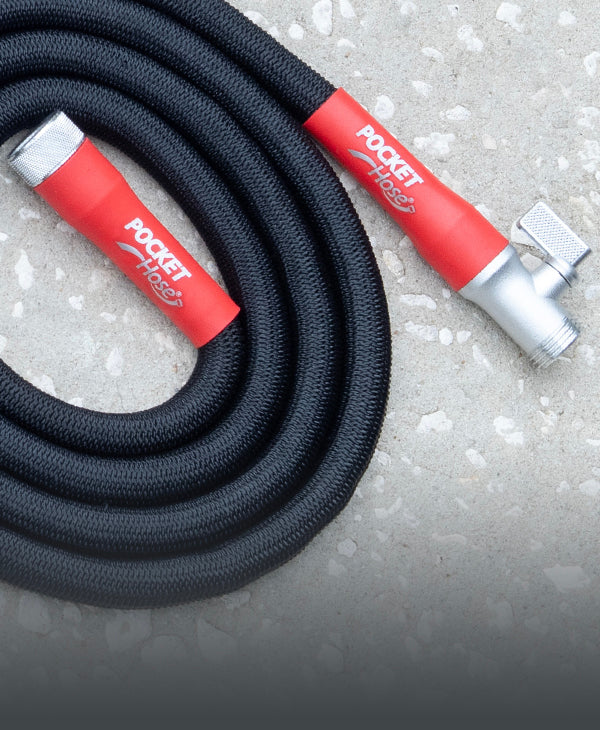
The Pocket Hose Ballistic combines an expandable design with a reinforced outer shell and kink-resistant construction for everyday outdoor use.
The Bottom Line
So, how long does an expandable hose last with regular use? There is no universal expiration date. Frequency matters, but water pressure, construction, weather exposure, abrasion, and storage habits can have just as much influence on longevity.
Choose a quality hose, release pressure after every use, drain it completely, and protect it from harsh conditions. Those simple habits can help you get more reliable use from your expandable hose season after season.
FAQs
How long does an expandable hose last with regular use?
Most quality expandable hoses last several seasons with regular use when properly cared for. Actual lifespan varies based on the hose's construction quality, your local water pressure, and how consistently you drain and store it between uses.
How long should an expandable hose last before it needs replacing?
There's no fixed timeline, but a quality hose should last for years. Just keep an eye on the hose itself and look out for things like persistent leaks, splitting at the fittings, bulging sections, or a core that no longer contracts fully.
Does water pressure affect how long an expandable hose lasts?
Yes. Higher water pressure places more strain on the inner tube and connection points each time your hose expands. You can use a pressure regulator or avoid maximum spigot pressure to help minimize this stress over time.
Can leaving an expandable hose in the sun shorten its lifespan?
Extended sun and heat exposure can eventually weaken the materials in your expandable hose's inner core and outer jacket. It’s best to store the hose in the shade or indoors when it's not in use to help prevent any issues.
Is it bad to leave an expandable hose connected to the spigot?
Leaving a hose connected and pressurized for long periods keeps the inner core under constant stress, even when the water isn't running. Turning off the spigot and releasing pressure after each use helps the hose fully contract and rest.
Sources:
Fall Gardening | A Collection of Information and Resources | CAES Field Report
Winterizing Outdoor Pipes and Sprinklers | A Fruitful Discussion

Dejar un comentario
Este sitio está protegido por hCaptcha y se aplican la Política de privacidad de hCaptcha y los Términos del servicio.