

Key Takeaways:
- Gardening is a full-body physical activity, and soreness is often caused by unfamiliar movement, repetitive strain, and long periods in awkward positions.
- Most post-gardening aches are normal muscle soreness (DOMS), but sharp pain or worsening symptoms may signal something more serious.
- Better pacing, proper body mechanics, and lighter, easier-to-use tools can significantly reduce soreness and make gardening more comfortable.
You spend a peaceful afternoon in the garden, pulling weeds, planting flowers, watering your plants, and everything feels great in the moment. But later that evening, or even the next day, your back is stiff, your knees are sore, your hands ache, and your shoulders feel tight.
The good news is that this kind of soreness is common and usually manageable. In this guide, we’ll break down why gardening makes your body ache and how to prevent soreness next time.
Why Can Gardening Make You Ache?
Even though it may not feel like a traditional workout, gardening is a full-body physical activity. It engages your muscles in ways that many people aren’t used to on a daily basis.
Common causes of post-gardening aches include:
- Unfamiliar movement
- Long periods of bending or kneeling
- Repetitive gripping and hand use
- Lifting and twisting motions
- Dehydration and heat exposure
- Doing too much in one session
Understanding these causes is the first step toward reducing soreness and making gardening more enjoyable.
Unfamiliar Movement
One of the most common causes of soreness is delayed onset muscle soreness (DOMS). This happens when you use muscles in ways they aren’t used to.
Even if gardening doesn’t feel intense, it often involves:
- Reaching
- Squatting
- Pulling
- Carrying
These movements can cause mild muscle stress, leading to soreness that usually peaks 24 to 48 hours later. This kind of soreness is normal and typically fades on its own.
Gardening often involves uneven surfaces, awkward angles, and constant shifts between tasks. You might go from kneeling to lifting, then to reaching overhead or pulling against resistance, all within a short period.
This combination of movements can fatigue multiple muscle groups at once, which is why soreness after gardening often feels more widespread than soreness from a typical workout. Instead of one area being tired, your back, legs, shoulders, and hands may all feel the effects at once.
Twisting and Lifting
Gardening often involves lifting and moving items like:
- Bags of soil
- Pots and planters
- Mulch or compost
The biggest issue is lifting while twisting . Reaching to the side while carrying weight places extra strain on your lower back, increasing the likelihood of soreness or injury.
Repetitive Gripping
Many gardening tools require constant gripping and squeezing, including:
- Pruners
- Sprayers
- Hoses
- Hand tools
Over time, this repetitive motion can lead to hand fatigue, wrist soreness, and forearm tightness. Even something as simple as holding onto a heavy or tangled hose can contribute to this strain.
Heat, Sweating, and Dehydration
Spending time outside in warm weather adds another layer of stress on your body.
In more extreme cases, dehydration and heat exposure can lead to issues like muscle cramping, especially during longer or more physically demanding gardening sessions. Heat cramps are often caused by fluid and electrolyte loss through sweating and can present as sudden, painful muscle tightening in the legs, arms, or abdomen.
When you’re dehydrated, your muscles may:
- Fatigue more quickly
- Cramp more easily
- Recover more slowly
This can make normal soreness feel more intense than it actually is.
Doing Too Much Too Fast
For many people, gardening follows a “weekend warrior” pattern. After a long break, especially at the start of the season, you might spend several hours catching up on yard work.
The problem is that your body may not yet be conditioned for that level of activity. Doing too much in one session is one of the most common reasons people feel sore after gardening.
Which Gardening Tasks Are Most Likely to Leave You Sore?
Certain gardening activities are more likely to cause soreness because they involve repetitive motion, awkward positioning, or heavier loads:
- Weeding: Lower back, hips, and knees
- Planting/transplanting: Quads, glutes, and core
- Lifting pots and soil: Back and shoulders
- Raking and digging: Shoulders, upper back, and forearms
- Watering with a heavy or tangled hose: Hands, wrists, shoulders, and lower back
The intensity of these tasks often depends on how long you perform them without rest . For example, weeding for five minutes may feel easy, but bending over for 30 minutes or more can significantly strain your lower back and hips. Similarly, lifting a single bag of soil may not feel difficult, but repeating that motion multiple times can quickly lead to fatigue.
Another factor is how your body adapts to repetitive motion. Tasks like raking, digging, or pruning involve repeating the same movement pattern, which can overwork specific muscle groups. Without breaks or variation, this repetition can lead to tightness, soreness, and even minor strain.
Recognizing which tasks affect your body most can help you plan and adjust your routine. Being aware of how long you spend on each task (and how your body feels while doing it) can help you recognize when it’s time to switch activities or take a break.
How to Feel Better After Gardening
If you’re dealing with post-gardening soreness, there are a few things you can do to feel better.
Start With Gentle Movement
It may feel tempting to sit or lie down after a long day in the garden, but light movement often helps more than complete rest.
Try walking, gentle stretching, and changing positions regularly. This helps improve circulation and can reduce stiffness .
Rehydrate and Refuel
After gardening, your body needs fluids and nutrients to recover.
Focus on:
- Drinking water
- Replacing electrolytes if needed
- Eating a balanced snack with protein and carbohydrates
Proper hydration and nutrition support muscle recovery and reduce fatigue.
Use Heat or Ice Strategically
Both heat and ice can be helpful, depending on how your body feels.
- Ice can help with areas that feel irritated or inflamed
- Heat can help relax stiff or tight muscles
Keep it simple and use what feels best for your situation.
Rest the Area
Rest is important, but complete inactivity can lead to more stiffness.
Aim for a balance. Avoid overusing sore muscles, but continue gentle movement throughout the day. This helps your body recover without slowing down the healing process.
Mild soreness that improves with movement is generally a sign of normal muscle fatigue, while discomfort that worsens with activity may indicate that a specific area needs more rest. Learning to recognize these signals can help you adjust your recovery routine and avoid overworking already fatigued muscles.
How to Prevent Gardening Aches Next Time
Now that you understand why soreness happens and how you can ease it, let’s talk a little about what you can do to keep it from happening in the first place.
Warm Up
Before you start gardening, take a few minutes to prepare your body.
Here are a few simple warm-up ideas:
- Five minutes of walking
- Arm circles
- Hip hinges
- Gentle squats
- Wrist rolls
This helps your muscles get ready for movement and reduces strain.
Break Big Jobs Into Shorter Sessions
Instead of working for hours straight, try:
- 20-30 minute work sessions
- Taking short breaks in between
- Rotating between different tasks
This prevents overuse of the same muscle groups.
Use Better Body Mechanics
How you move matters just as much as what you do. Key tips include:
- Bend at your hips and knees, not your back
- Keep loads close to your body
- Avoid twisting while lifting
- Stand up and reset your posture often
These small adjustments can significantly reduce strain.
Reduce Strain With the Right Tools
Using the right tools can make gardening much easier on your body.
Helpful options include:
- Garden stools or kneelers
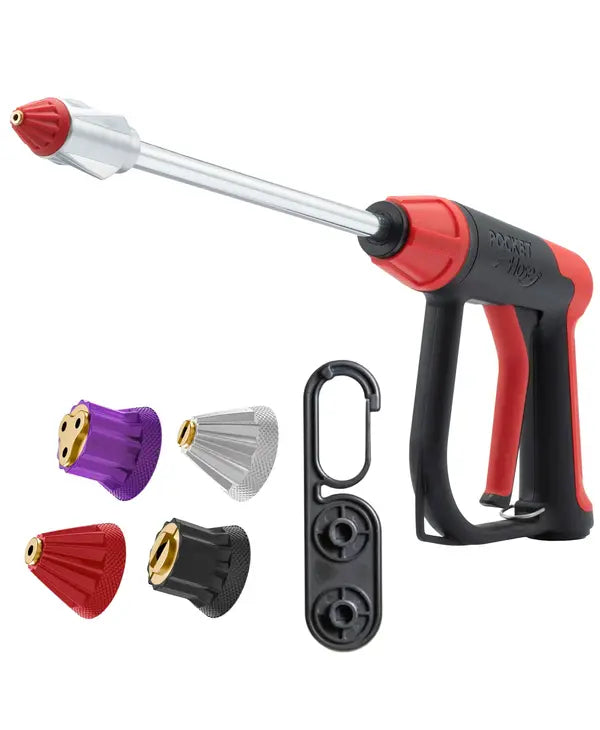
- Long-handled tools
- Ergonomic grips
- Lightweight equipment (like a flexible, easy-to-move hose )
For tasks like watering, tools such as hose timers can also help reduce strain by automating watering sessions, limiting the need to stand, hold, or reposition equipment for extended periods.
If watering leaves you feeling sore, reducing resistance can make a noticeable difference. A lighter, kink-resistant hose is easier to carry, move, and store.
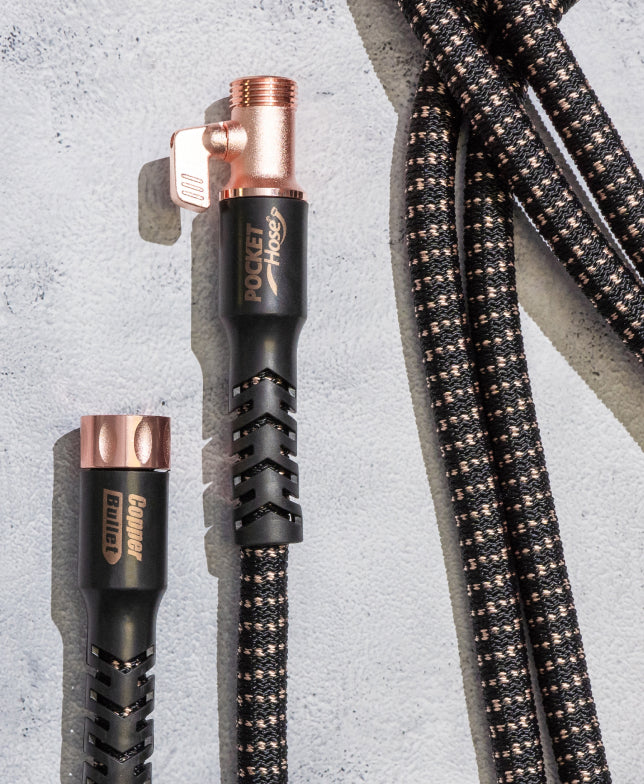
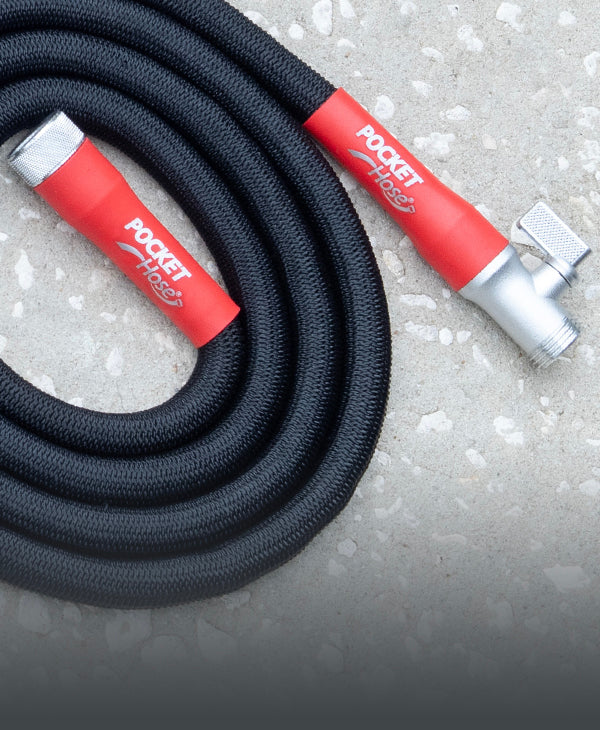
This is where Pocket Hose comes in. Our hoses feature lightweight construction, compact storage, kink resistance, and swivel connections that can help reduce the physical effort required for watering.
The Pocket Hose Difference
Unlike heavy traditional hoses that fight you every step of the way, Pocket Hose expands to full size the moment water flows through it and contracts back to a compact, pocket-sized form when you're done. That means no coiling, no dragging, and no wrestling required.
The Pocket Hose Ballistic features a revolutionary 360° Pocket Pivot swivel that eliminates the stubborn kinking and twisting that forces awkward bending and repositioning at the spigot. Plus, our memory-free hose design lies flat and follows your lead naturally, so you can move freely around your garden without constantly battling the hose.
Because every Pocket Hose is a fraction of the weight of a traditional rubber hose, carrying it from one end of your yard to the other takes almost no effort at all, making every watering session something to look forward to, not dread.
When Do Gardening Aches Indicate an Injury?
Most soreness after gardening is normal, but certain symptoms may indicate something more serious.
Watch for:
- Sudden sharp pain
- Severe swelling
- Numbness or tingling
- Weakness
- Pain that continues to worsen
- Difficulty performing normal activities
- Signs of severe dehydration, such as dizziness or dark urine
If you experience these symptoms, it’s best to seek medical advice.
The Bottom Line
Soreness after gardening is common and, in many cases, completely normal.
The key is understanding why it happens and making small adjustments to your approach to gardening. Better pacing, improved body mechanics, and the right tools can all make a big difference.
Gardening should feel rewarding, not exhausting. If you can reduce strain (especially during repetitive tasks like watering), you’ll be able to spend more time enjoying your space and less time recovering from it.
That's exactly what Pocket Hose is designed to do. Lightweight, kink-free, and effortless to maneuver, Pocket Hose takes the strain out of one of gardening's most frequent tasks, so your energy goes where it belongs: into the garden you love.
FAQs
Is it normal to ache after gardening?
Yes, it’s very common. Gardening involves full-body movement and can lead to muscle soreness, especially if you’re not used to the activity.
How long should soreness after gardening last?
Most soreness lasts 24 to 72 hours. If it persists longer or worsens, it may be worth paying closer attention.
Why do my hands hurt after gardening?
Repetitive gripping of tools, hoses, and equipment can strain your hands, wrists, and forearms, leading to soreness and fatigue.
Can dehydration make you sore after yard work?
Yes. Dehydration can increase fatigue, slow recovery, and make muscle soreness feel more intense.
How do I garden without hurting my back?
Focus on proper body mechanics, avoid twisting while lifting, take breaks, and use supportive tools like kneelers or long-handled equipment.
What kind of hose is easier on your body?
A lightweight, flexible, and kink-resistant hose is generally easier to handle. These types of hoses reduce strain from dragging, lifting, and repositioning.
Sources:
Lumbar Strain (Weight Lifter's Back) | Loma Linda University Health
Heat Cramps: Causes & Treatment | Cleveland Clinic
Why Rest and Recovery is Essential in Preventing Overuse Injuries | VOSCT

Leave a comment
This site is protected by hCaptcha and the hCaptcha Privacy Policy and Terms of Service apply.