


Garden hoses have been a staple in yard and garden care for decades. For many homeowners and gardening enthusiasts, the traditional rubber hose has long been the go-to option for watering plants, cleaning driveways, and handling various outdoor tasks. However, expandable hoses, including technologies like the Pocket Hose and its innovative Copper Bullet, have taken the market by storm in recent years. The allure of these hoses lies in their flexibility, lightweight nature, and compact storage. But how do expandable hoses work? What makes them different from traditional hoses? In this comprehensive post, we will delve into the science behind expandable hoses and explore why they have become a favorite for many, shining a light on terms like the best flexible garden hose and Pocket Hose technology.
Understanding Expandable Hoses
An expandable hose is designed to expand to about three times its original length when water is turned on and then contract back when it is turned off. The mechanics behind this fascinating transformation involve a combination of materials and engineering that ensures durability, reliability, and convenience.
1. Core Components
- Inner Tube: The inner layer of an expandable hose is typically made from a highly elastic material such as latex or TPC (Thermoplastic Copolyester), which can stretch significantly without losing strength or integrity. The inner tube is responsible for the hose’s ability to expand and contract.
- Outer Fabric: Surrounding the inner tube is a sturdy, woven fabric. This outer covering is designed to protect the elastic inner tube from punctures, abrasion, and other potential damages while providing enough flexibility to allow for expansion.
2. Water Pressure and Expansion
The principle behind the operation of an expandable hose is the behavior of the inner elastic tube. The inner latex or TPC tube stretches when water flows into the hose, causing the entire hose to elongate. The outer fabric prevents the tube from over-expanding and ensures that the hose doesn’t burst under pressure. This interaction between the core components allows the hose to withstand significant water pressure without damage.
3. Contraction and Storage
When the water supply is turned off, and the remaining water is expelled from the hose, the elastic properties of the inner tube cause it to contract rapidly. The outer fabric also contracts, allowing the hose to return to its original compact size. This makes expandable hoses immensely convenient for storage, occupying minimal space compared to traditional hoses.
Advantages of Using Expandable Hoses
The design and materials used in expandable hoses confer numerous advantages:
- Lightweight Nature: Expandable hoses are significantly lighter than traditional rubber hoses, making them easier to handle, maneuver, and transport.
- Compact Storage: Expandable hoses can be stored in smaller spaces due to their contraction properties. This is especially useful for individuals with limited storage areas.
- Flexibility: These hoses are highly flexible, reducing the chances of kinks and tangles that are commonly associated with traditional hoses.
- Ease of Use: Setting up and packing away an expandable hose is quick and effortless, which can save time and reduce the physical strain on the user.
Exploring Pocket Hose Technology
Among the many brands that have leveraged the technology behind expandable hoses, Pocket Hose stands out for its innovation and popularity. Pocket Hose technology has revolutionized the gardening experience, offering a convenient and efficient alternative to cumbersome traditional hoses.

1. Evolution of Pocket Hose
The concept of Pocket Hose was introduced as a solution to the common issues associated with traditional garden hoses—primarily weight, storage, and maneuverability. The original Pocket Hose was designed with an inner latex tube and a durable outer fabric. Over the years, enhancements in materials and design have led to more advanced versions, such as the Pocket Hose Silver Bullet and, most notably, the Pocket Hose Copper Bullet.
2. Pocket Hose Copper Bullet
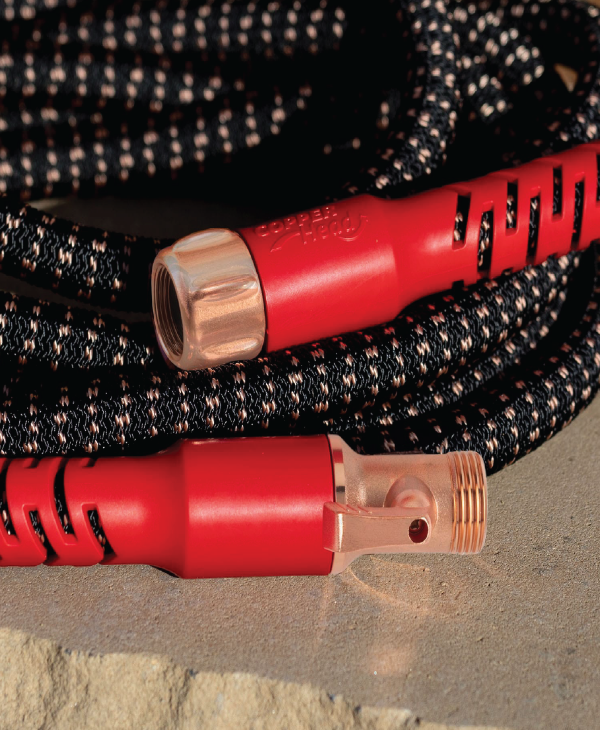
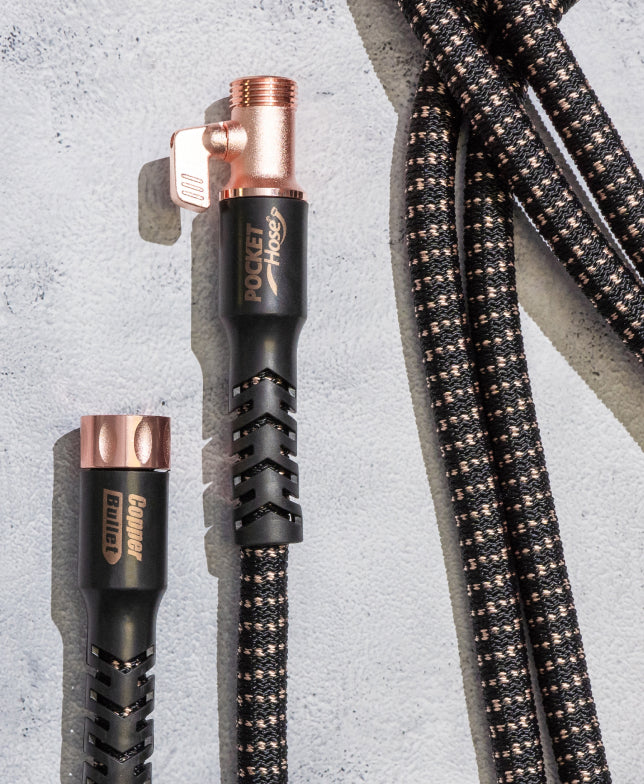
Pocket Hose Copper Bullet represents a significant leap in expandable hose technology. Here’s what sets it apart:
- Double Layer Design: The Copper Bullet features a double-layer construction with a proprietary three-layer, ultra-strength latex inner tube that provides enhanced elasticity and resilience and a 3x stronger anti-burst outer sleeve. This ensures the hose can handle higher water pressure and offers greater durability.
- Copper-Infused Connectors: Unlike conventional hoses that often use plastic connectors prone to leaks and breakages, the Copper Bullet boasts copper-infused connectors that are lead-free. Copper is corrosion-resistant and provides a secure, leak-proof seal that enhances the hose's longevity.
- Anti-Kink Technology: The Copper Bullet is designed to resist kinks and twists, allowing for a smooth, uninterrupted water flow. This is a significant benefit for users tired of dealing with frustrating kinks in traditional hoses.
- Weather Resistance: The materials used in the Copper Bullet are designed to withstand various temperatures and weather conditions. This makes the hose suitable for use in multiple climates without degrading quality.
Choosing the Best Flexible Garden Hose
With numerous options available, selecting the best flexible garden hose requires considering specific factors:
1. Material Quality
The quality of the materials used in both the inner and outer layers of the hose is crucial. Look for hoses with durable, high-quality latex or TPC inner tubes and robust outer fabrics. The combination of these materials ensures longevity and performance.
2. Connectors
The type of connectors used in the hose can significantly impact its durability and leak-proof capabilities. Metal connectors, particularly brass or copper, are preferable due to their strength and resistance to corrosion.
3. Length and Weight
Consider the length and weight of the hose based on your specific needs. Expandable hoses come in various lengths, so choose one that suits your garden size. Additionally, weigh the convenience of a lighter hose versus the potentially higher durability of a slightly heavier one.
4. Brand Reputation
Researching brand reputation can provide insights into the reliability and performance of the product. Brands like Pocket Hose have established a strong reputation for quality and innovation in the expandable hose market.
Maintenance and Care Tips
To maximize the lifespan and performance of your expandable hose, consider the following maintenance tips:
- Avoid Overstretching: While expandable hoses are designed to stretch, avoid pulling them excessively beyond their maximum length.
- Proper Storage: Store your hose in a cool, dry place away from direct sunlight to prevent degradation of the materials.
- Winter Care: If you live in an area with freezing temperatures, drain the hose completely and store it indoors during the winter months to prevent damage to the inner tube.
- Regular Inspection: Periodically inspect the hose and connectors for signs of wear or damage. Replace any damaged components promptly to prevent leaks.
Final Thoughts
Expandable hoses, with their innovative design and materials, offer a practical and efficient solution for gardening and outdoor tasks. Understanding how expandable hoses work provides insights into their numerous advantages over traditional hoses, including lightweight construction, compact storage, and ease of use. Technologies like the Pocket Hose, particularly the Copper Bullet, further enhance the functionality and durability of these hoses, making them a top choice for many homeowners and gardening enthusiasts.
When selecting the best flexible garden hose, consider factors such as material quality, connectors, length, and brand reputation. Proper maintenance and care can extend the lifespan of your expandable hose, ensuring it remains a reliable tool in your gardening arsenal for years to come. With the right expandable hose, you can transform your gardening experience, making it more enjoyable and efficient.
FAQs
What Is the Contracted Size of Each Length Hose?
The hose sizes are as follows: a contracted size of approximately 9 feet expands to about 25 feet, a contracted size of approximately 18 feet expands to about 50 feet, a contracted size of approximately 25 feet expands to about 75 feet, and a contracted size of approximately 31 feet expands to about 100 feet.
Are Pocket Hose Hoses Durable?
Yes, Pocket Hose hoses are made with a multi-layer construction that resists kinking, bursting, and wear during everyday watering. Their flexible outer jacket protects the inner tube from abrasion, while the ¾-inch fittings create strong, secure connections that withstand regular water pressure and movement around the yard.
Pocket Hose hoses are also designed to withstand sharp bends, repeated stretching, and high-pressure watering without losing performance. Gardeners rely on them for routine tasks like running sprinklers, hand-watering beds, and navigating tight spaces because the hoses remain lightweight yet resilient.
For best results, store the hose out of direct sunlight when not in use and ensure washers are seated properly to maintain a leak-free seal.
Can I Leave My Pocket Hose Outside Year-Round? How Should I Store It in Winter and Between Uses?
No, you cannot leave your Pocket Hose outside year-round. It should be stored properly in winter and between uses. To protect your hose, drain all water completely, detach the nozzle, straighten out any kinks, and coil it into a loose circle.
Store the hose in a temperature-controlled space such as a garage or shed. Expandable hoses can be damaged by freezing water or extreme cold, so indoor storage is strongly recommended.
Do Pocket Hoses Fit Standard Garden Spigots and Nozzles?
Pocket Hoses fit all standard U.S. garden spigots and nozzles because they use a universal ¾-inch connector (the same size found on most outdoor faucets and watering tools). You can attach the hose to spigots, spray nozzles, sprinklers, or other hose-end accessories without needing adapters or special fittings.
Pocket Hose’s lightweight, anti-kink construction helps maintain consistent flow once connected, and the Easy On/Off valve makes pressure control simple. For best results, check that rubber washers are seated correctly before tightening connections.
Gardeners commonly pair Pocket Hose with adjustable spray nozzles, sprinkler heads, or multi-zone watering setups since the hose’s durable, anti-burst design performs well with a variety of attachments. Be sure to turn off the water supply using the Easy On/Off valve before switching accessories.
End Piece Cracked — Does It Affect Performance?
Yes, any crack in the end piece can affect pressure, sealing, and hose performance. A cracked connector or end piece compromises the hose’s ability to form a watertight seal. Even small cracks can cause leaks, reduced expansion, or inconsistent water flow.
Because expandable hoses rely on internal pressure to function correctly, damaged end pieces interfere with the hose’s ability to expand fully. If the crack is severe or spreading, replacement of the end piece or a warranty exchange may be necessary.
Why Won't My Hose Won’t Expand?
A hose that won’t expand usually lacks sufficient water pressure, contains a blockage, or has a closed nozzle. Expandable hoses require full household water pressure to reach their expanded length. If the nozzle is closed, kinked, or partially obstructed, the hose cannot fill properly.
Check for twists, remove the nozzle, and run water through the open hose to clear debris. Make sure your home’s PSI meets the recommended 45-80 PSI range for normal expansion. A clogged sprayer, mineral buildup, or improperly seated washer can also restrict water flow.
How Do I Set Up a New Pocket Hose Correctly the First Time?
To set up a new Pocket Hose correctly, connect it to a standard ¾-inch outdoor spigot, turn the water on to full household pressure, and allow the hose to fully expand before use. This ensures it reaches its intended length and performs as designed.
After the hose expands, check for kinks or twists and straighten them so water can flow freely. Attach the included spray nozzle using one rubber washer, making sure it is seated flush to prevent leaks.
Is Pocket Hose Marine Different From Regular Pocket Hose? What Makes It Boat-Safe?
Pocket Hose Marine is designed for harsh marine environments with materials that resist salt, sun, and deck abrasion. Pocket Hose Marine differs from standard models through specialized construction that holds up against outdoor marine exposure. Its exterior is built to withstand saltwater, UV rays, and friction from docks or decks. The hose is lightweight, retractable, and compatible with standard ¾” spigots found on many boats and marinas. Plus, our signature white exterior leaves your boat scuff-free and always looking pristine.
These features make it easier to handle in tight spaces and reduce the risk of corrosion-related wear.
Is It Safe To Drink From a Garden Hose? What Certifications Should I Look For?
Drinking from a hose is only safe if the hose is certified lead-free, BPA-free, phthalate-free, and NSF compliant. Hoses do not filter contaminants; if the water source contains lead, the hose cannot remove it. That said, Pocket Hose models meet key safety standards because they are tested by SGS and certified to NSF and ISO requirements.
They contain no BPA, phthalates, antimony, cadmium, or lead in their connectors. Copper Bullet and Silver Bullet use lead-free metals that prevent leaching, unlike traditional brass fittings.
Is Pocket Hose Affected By the 2025 Expandable-Hose Recall I Saw in the News?
No. Pocket Hose is not included in the 2025 expandable-hose recall, which applied only to certain off-brand hoses with defective metal fittings. Pocket Hose products use tested, high-quality connectors and multi-layer construction designed to withstand regular water pressure without the issues identified in the recall.
Pocket Hose follows strict manufacturing standards to ensure safe performance for everyday use. Customers can continue using their hoses confidently, as none of the affected models match Pocket Hose materials, fittings, or pressure ratings.
If you ever notice leaks or wear at connection points, replacing washers or tightening fittings typically resolves the issue.
Pocket Hose products undergo routine quality-control checks to ensure the fittings, inner tubing, and outer jacket meet performance standards before they reach customers.
Pocket Hose is the #1 expanding hose in the world, the original “hose that grows” and the only patented expanding hose.
Weak Water Output / Hose Won’t Expand — Check Your PSI.
Low household PSI is the most common reason for weak output or failure to expand fully.
Expandable hoses depend on incoming water pressure, and U.S. homes typically supply 45-80 PSI, which is needed for the hose to expand fully. If pressure is low, the hose may only partially expand or deliver weak output. Remove the nozzle and run water through the open hose to confirm full flow.
Check for kinks, obstructions, or mineral buildup. Silver Bullet supports up to 80 PSI, while Copper Bullet and Copper Head can withstand higher burst pressures, but expansion still depends on your water source.
What Makes Pocket Hose the Best Garden Hose?
Pocket Hose stands out because it’s lightweight, expandable, lead-free, and backed by patented technology.
Pocket Hose models use durable materials, compact designs, and connectors that resist corrosion and are lead-free. All hoses are NSF and ISO compliant, BPA-free, phthalate-free, and California Proposition 65 compliant.
With more than 100 patents and over 50 million units sold, Pocket Hose leads the expandable hose category with performance-focused engineering. Features like anti-tear fabric, swivel connectors, and reinforced tubing create a more reliable and user-friendly experience.
What’s the Difference Between Pocket Hose Copper Bullet, Silver Bullet, Copper Head, and Marine?
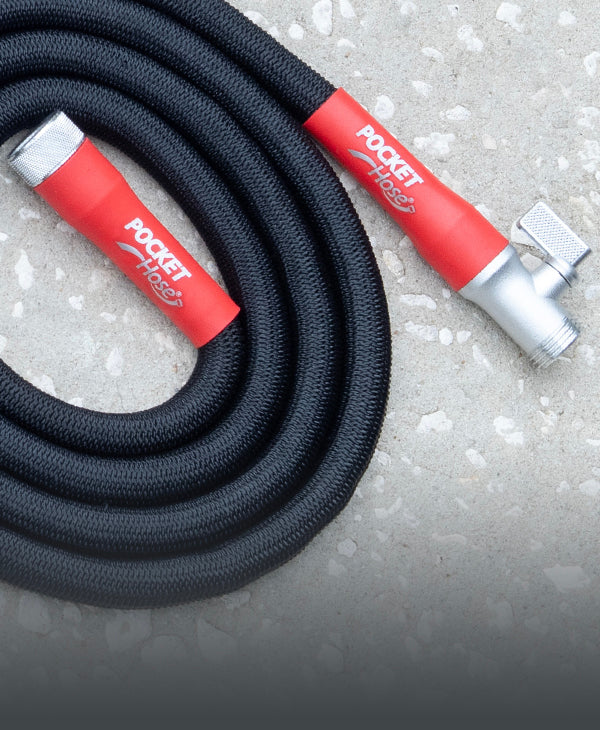
Copper Bullet lead-free connectors that are infused with real copper and have a seamless, tear-resistant outer shell. Silver Bullet uses machined aluminum connectors and is designed for standard household pressures.
Copper Head introduces the Pocket Pivot swivel (180°-360°) plus a Force Field Jacket for enhanced durability. Marine features a white anti-scuff exterior jacket and corrosion-resistant connections designed specifically for boats.
What’s the Working Pressure and Burst Strength for Each Pocket Hose Model?
The working pressure depends on your household supply, which typically ranges between 45-80 PSI in U.S. homes. Silver Bullet is rated for 80 PSI, making it suitable for standard residential water pressure.
Copper Bullet and Copper Head are engineered for higher durability and feature a burst strength of 650 PSI. These numbers refer to the hose’s ability to withstand internal pressure, not the pressure output from your faucet.
Why Is My Expandable Hose Leaking at the Connector? Quick Fixes.
Most connector leaks come from a loose fit, a missing washer, or debris inside the fitting.
Expandable hoses commonly leak when the rubber washer inside the connector is missing, damaged, or not seated properly.
Pocket Hose sprayers include three extra rubber washers, and only one should be inside the fitting at a time. Over-tightening can warp connectors, while cross-threading prevents a secure seal. Check for debris or mineral buildup inside the connector, as this can also cause leaks.
Will Pocket Hose Work With Backflow Preventers or Y-Splitters?
Yes, Pocket Hose is fully compatible with both backflow preventers and Y-splitters. Pocket Hose connects easily to standard backflow preventers and Y-splitters because it uses a universal ¾-inch fitting, which is the same size used on U.S. outdoor spigots and garden accessories.
Pocket Hose’s anti-kink design keeps a steady flow even when connected to a Y-splitter. Simply attach the Pocket Pivot connector or hose end directly to the device and tighten securely.
Both backflow preventers and Y-splitters help control water flow, and Pocket Hose’s lightweight build maintains reliable pressure even when split between multiple zones. Its durable, anti-burst construction also holds up well when working with added attachments or higher water pressures.
For best results, ensure washers are sealed correctly to prevent leaks and use the Easy On/Off valve when switching between outlets.

Leave a comment
This site is protected by hCaptcha and the hCaptcha Privacy Policy and Terms of Service apply.