

Key Takeaways:
- Expandable hoses can last anywhere from one season to 10 years, depending on quality, water pressure, usage frequency, and maintenance.
- The most common causes of failure are pressure buildup, improper drainage, sun exposure, and freezing temperatures.
- Releasing pressure after each use, draining fully, and storing properly are the most effective ways to prevent blowouts and extend hose lifespan.
Expandable hoses have become a popular alternative to traditional rubber and vinyl garden hoses thanks to their lightweight design, compact storage, and ease of use. But one of the most common questions homeowners ask before buying (or after experiencing a failure) is simple: how long do these hoses actually last?
The answer depends on several factors, including hose quality, water pressure, usage habits, and how well the hose is maintained. In this guide, we’ll break down realistic lifespan expectations, explain why expandable hoses fail, and share practical steps you can take to prevent blowouts and extend your hose's lifespan as long as possible.
How Long Do Expandable Hoses Generally Last?
With proper care and reasonable water pressure, a high-quality expandable hose can last up to 8-10 years. However, in real-world conditions, especially with frequent use, high pressure, or improper storage, some expandable hoses may fail after only one or two seasons.
What Matters Most?
Managing water pressure, fully draining the hose after each use, and storing it out of sunlight and freezing temperatures make the most significant difference in lifespan.
Many homeowners are surprised by how wide the lifespan range is for expandable hoses. That’s because these hoses are built around flexibility and convenience rather than sheer thickness and rigidity. Unlike traditional rubber hoses, expandable hoses rely on an inner elastic core that stretches and contracts as water flows through them. Over time, that repeated movement creates natural wear, even when the hose is used correctly.
Marketing claims often focus on durability features such as multi-layer cores or reinforced fabric jackets, but real-world performance depends far more on daily habits than product labels. Leaving a hose pressurized, exposing it to extreme heat or cold, or storing it improperly can dramatically shorten its lifespan, sometimes in a matter of months rather than years.
At the same time, expandable hoses aren’t inherently short-lived products. When used within recommended pressure limits, drained fully after each use, and stored out of direct sun and freezing temperatures, many users experience several years of reliable performance.
Understanding how and why expandable hoses fail is the key to setting realistic expectations and getting the most value out of your purchase.
Expandable Hose Lifespan Expectations by Use Case
Expandable hose lifespan isn’t one-size-fits-all. How often you use your hose (and how you treat it) plays a major role in how long it lasts.
|
Use Level |
How It’s Used |
Expected Lifespan |
Primary Risk Factors |
|
Light Use |
Occasional watering, seasonal use |
5-10 years |
UV exposure, improper storage |
|
Moderate Use |
Weekly watering, washing cars |
2-5 years |
Pressure spikes, abrasion |
|
Heavy Use |
Daily watering, frequent dragging |
1-3 years (sometimes less) |
Constant pressure, wear, fittings stress |
Expandable hoses rely on an inner elastic core. Differences in core material, number of layers, fittings, and user care all affect durability. Two hoses that are used the same amount can have very different outcomes depending on these factors.
In light-use households, expandable hoses tend to last significantly longer because the inner core experiences fewer expansion cycles. Occasional watering, seasonal use, or short garden tasks reduce overall stress on the hose materials. When combined with proper storage and pressure management, light-use scenarios often align with the longest lifespan estimates.
Moderate use introduces more opportunities for wear. Weekly watering, car washing, or frequent connection and disconnection increase strain on fittings and washers, while repeated expansion can slowly weaken the inner tube. In these cases, lifespan is strongly influenced by water pressure consistency and whether the hose is routinely drained and stored correctly.
Heavy-use situations are where expandable hoses struggle most. Daily watering, dragging the hose across rough surfaces, or leaving it connected and pressurized for long periods significantly accelerates wear. Constant pressure, abrasion, and environmental exposure combine to increase the likelihood of leaks, fitting failures, or inner tube ruptures, sometimes within a single season.
These differences explain why two homeowners can buy similar expandable hoses and have completely different experiences. Frequency of use, surface conditions, and storage habits matter just as much as the hose itself.
What Makes an Expandable Hose Last Longer?
Not all expandable hoses are built the same. Understanding what actually affects durability helps you choose (and maintain) a hose that lasts.
1. Inner Core Material: Latex vs. TPC
The inner tube is the heart of an expandable hose. Latex cores are:
- More flexible and expand easily
- Typically used in higher-end expandable hoses
- More elastic, but sensitive to pressure and freezing if misused
TPC (thermoplastic copolymer) cores are:
- Less elastic than latex
- More resistant to chemicals and temperature extremes
- Less contractible but more forgiving in some environments
Neither material is “indestructible.” Pressure management and drainage still matter!
While both latex and TPC cores are designed to expand and contract repeatedly, they respond differently to environmental stress. Latex cores are highly elastic, which allows for smooth expansion and contraction, but they are more sensitive to freezing temperatures and prolonged pressure. If water is left inside a latex-core hose during cold weather, freezing expansion can weaken or rupture the liner.
TPC cores, on the other hand, tend to be more resistant to temperature extremes and chemical exposure. However, they may not contract as tightly as latex after use, which can affect storage convenience over time. Neither material is immune to damage from improper pressure management or storage, and both benefit from the same care practices: draining after use, avoiding prolonged sun exposure, and releasing pressure fully.
Ultimately, core material influences durability, but it cannot compensate for poor maintenance habits.
2. Number of Core Layers
Expandable hoses are often described as having double, triple, or quad cores:
- Double core: Lightweight and expands easily, but is less tolerant of pressure spikes
- Triple/quad core: More reinforcement, better pressure handling, slightly heavier
More layers generally mean increased durability, but also slightly reduced flexibility. While additional core layers can improve pressure tolerance, they do not make an expandable hose indestructible.
Multiple layers distribute stress more evenly, helping reduce the likelihood of sudden failure, but they also introduce additional material that can fatigue over time. A triple- or quad-core hose may resist pressure spikes better than a double-core hose, but it still requires proper use to reach its full lifespan.
It’s also important to note that more layers often increase hose weight slightly and may reduce flexibility. For some users, this tradeoff is worthwhile for added durability; for others, proper pressure control and storage habits matter more than the number of layers alone.
3. Hose Fittings: Plastic vs. Solid Brass
Fittings are one of the most common failure points.
Plastic fittings are lightweight and affordable, but more prone to cracking, thread wear, and leaks. Solid brass fittings offer stronger threads, better resistance to leaks and cross-threading, and a longer overall lifespan.
Fitting failures are among the most frustrating hose issues because the hose itself may still be in good condition. If durability is your priority, solid brass fittings are worth it. Plastic fittings are more susceptible to cracking, especially when overtightened or exposed to freezing temperatures. Thread wear can also occur over time, leading to persistent leaks that washers alone cannot fix.
Solid brass fittings generally last longer because they resist deformation and maintain tighter thread connections. However, even brass fittings require care. Cross-threading, overtightening, or leaving the hose connected year-round can still cause damage. Regular inspection and gentle tightening help extend the life of any fitting material.
4. Matching the Hose to Your Water Pressure
High household water pressure is one of the leading causes of expandable hose failure.
- Typical residential pressure is 40-60 PSI
- Pressure above 70 PSI significantly increases rupture risk
If your home has high pressure or you’ve experienced hose blowouts before, using a pressure regulator can dramatically extend hose life.
What Are Some Common Expandable Hose Failure Points?
Understanding how hoses fail can help you prevent issues from happening in the future. Here’s what to know about common problems and what you can do to keep them from occurring.
1. Inner Tube Rupture (Blowout)
Once the inner tube ruptures, the hose usually cannot be repaired. An inner tube rupture can appear in the form of a:
- Sudden bubble or bulge
- Loud popping sound
- Hose expands unevenly or bursts through the fabric jacket
Inner tube ruptures can happen for a few reasons, including:
- Excessive water pressure
- Hose left pressurized with nozzle closed
- Freezing water inside the hose
- Age-related material fatigue
2. Fitting Leaks
Fitting leaks are one of the few issues that can often be fixed with a washer replacement. Common causes include:
- Worn washers or O-rings
- Loose or cross-threaded connections
- Cracked fittings
3. Outer Jacket Damage
While the outer fabric doesn’t hold water pressure, it protects the inner tube. Damage can occur from:
- Dragging over concrete or gravel
- Sharp edges
- Pet chewing or punctures
Once the jacket is compromised, the inner tube becomes vulnerable.
What Is the Main Cause of Expandable Hose Blowouts?
The most common mistake users make is leaving the hose pressurized. This is how a pressure-related blowout tends to happen:
- Spigot is turned on
- Nozzle is closed
- Water remains trapped under pressure
- Sun heats the hose, increasing internal pressure
- Inner tube fails
Expandable hoses are not designed to stay under constant pressure.
How To Prevent a Pressure Blowout
This type of failure often catches homeowners off guard because it doesn’t require active use. A hose can appear fine one moment and fail the next simply from being left pressurized. If your water pressure is consistently high, a regulator is strongly recommended.
- Always turn off the spigot first
- Then open the nozzle to release pressure
- Allow the hose to fully contract before storing
Sun exposure worsens the problem by heating trapped water, which increases internal pressure beyond what the hose is designed to handle.
Expandable hoses are susceptible to this scenario because their inner cores are meant to flex, not remain stretched indefinitely. Unlike rigid rubber hoses, expandable hoses depend on contraction to relieve stress. Releasing pressure after each use allows the materials to return to their resting state, significantly reducing the risk of sudden rupture.
Expandable Hose Care and Storage Checklist
Following a simple routine after each use can dramatically extend hose life. Proper storage plays a larger role in the lifespan of expandable hoses than many homeowners realize.
Because expandable hoses use lighter, more flexible materials, they are more vulnerable to environmental damage than traditional hoses. Prolonged sun exposure can weaken both the inner core and outer jacket, while trapped moisture increases the risk of mold, material breakdown, and freezing damage.
Unlike rubber hoses that can sometimes tolerate being left outdoors, expandable hoses benefit significantly from being drained, contracted, and stored in a shaded or temperature-controlled space. Establishing a simple routine after each use helps preserve flexibility, prevent leaks, and extend overall lifespan.
What To Do If Your Expandable Hose Bursts
A hose blowout can be frustrating, but staying calm helps limit damage.
- Shut off the spigot immediately
- Release remaining pressure
- Move the hose away from standing water
Check washers and threads to confirm whether there is a fitting leak, and look for bulges or splits to confirm whether the inner liner has ruptured.
If the inner liner has ruptured, replacement through the manufacturer’s warranty or customer support is typically the only option.
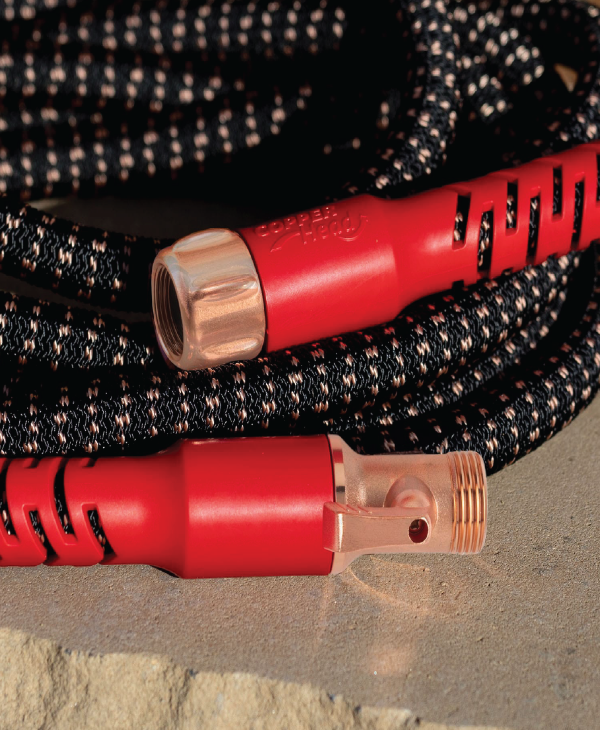
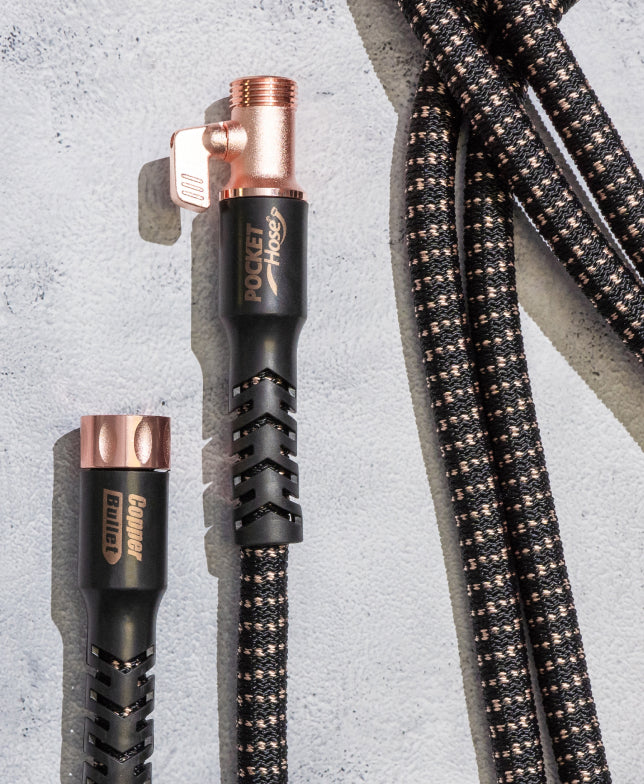
Warranty coverage varies by model and manufacturer, but it’s an important trust factor. At Pocket Hose, we do have warranty coverage available for top products:
- Copper Bullet: 10-year warranty
- Silver Bullet: Limited lifetime replacement warranty
The Bottom Line
When it comes to how long an expandable hose can last, the main factors are water pressure, UV exposure, dragging/abrasion, freezing temperatures, and the quality of the fittings and seals.
To get the most life out of any expandable hose, keep it out of direct sunlight, avoid pulling it over sharp edges, don’t leave it pressurized when not in use, and always drain and store it after each use — especially before cold weather. Quick maintenance helps too: check for connector leaks, replace worn washers, and store the hose in a shaded area to reduce material fatigue.
If you’re noticing frequent leaks, weak water flow, or the hose no longer fully expanding and contracting, it’s usually a sign that it’s time to replace it. The good news: choosing an expandable hose designed for durability (and using it correctly) can make watering easier while reducing the hassle of unexpected failures.
Ready for a lighter, easier-to-store hose that’s designed for everyday use? Explore Pocket Hose to find an expandable hose option that fits your yard, your routine, and your watering needs.
FAQs
Which expandable hose lasts the longest?
Expandable hoses with multi-layer inner cores and solid brass fittings tend to last the longest, especially when paired with proper pressure management and storage habits. However, no expandable hose is immune to wear.
Lifespan depends less on brand names and more on how often the hose is used, whether pressure is released after each use, and how it is stored between uses.
How long do expandable hoses last?
Expandable hoses can last anywhere from one season to up to 10 years, depending on quality, frequency of use, water pressure, and maintenance. Light, occasional use combined with proper care often results in several years of reliable performance, while daily use or improper storage can significantly shorten lifespan.
What causes an expandable hose to burst?
The most common causes of expandable hose bursts include leaving the hose pressurized, high household water pressure, freezing water trapped inside the hose, and material fatigue over time. Sun exposure can worsen pressure-related failures by heating trapped water and increasing internal pressure.
How do you prevent an expandable hose from bursting?
To prevent bursting, always turn off the spigot before closing the nozzle, fully release pressure after each use, and drain the hose completely. Storing the hose out of direct sunlight and freezing temperatures also helps protect the inner core. In high-pressure homes, using a pressure regulator can significantly reduce the risk of failure.
What’s the best way to store an expandable hose?
The best way to store an expandable hose is to disconnect it from the spigot, drain all water, allow it to fully contract, and store it in a shaded, dry location. Indoor or temperature-controlled storage is ideal, especially during the winter months. Avoid leaving expandable hoses outdoors year-round.
Should you leave an expandable hose connected to the spigot?
An expandable hose can remain connected briefly during active use, but it should not be left pressurized or connected for long periods. Leaving the hose connected (especially with the spigot turned on) increases internal pressure and raises the risk of leaks or blowouts, particularly in hot or freezing conditions.
Does high water pressure damage expandable hoses?
Yes, high water pressure is one of the leading contributors to expandable hose damage. Pressure above typical residential ranges places excessive stress on the inner core and fittings, increasing the likelihood of leaks and ruptures. Homes with consistently high pressure benefit from using a pressure regulator.
Are expandable hoses as durable as traditional rubber hoses?
Expandable hoses are generally less abrasion-resistant than traditional rubber hoses, but they offer greater convenience, lighter weight, and easier storage. When used and maintained properly, expandable hoses can provide years of reliable service, though rubber hoses tend to tolerate rough conditions better.
Sources:
The Best Expandable Hoses | Tested by Bob Vila
How Long Your Expandable Garden Hose Might Last (& Common Issues To Know About) | House Digest

Leave a comment
This site is protected by hCaptcha and the hCaptcha Privacy Policy and Terms of Service apply.